Are Store Brands Cheaper Than Name Brands?
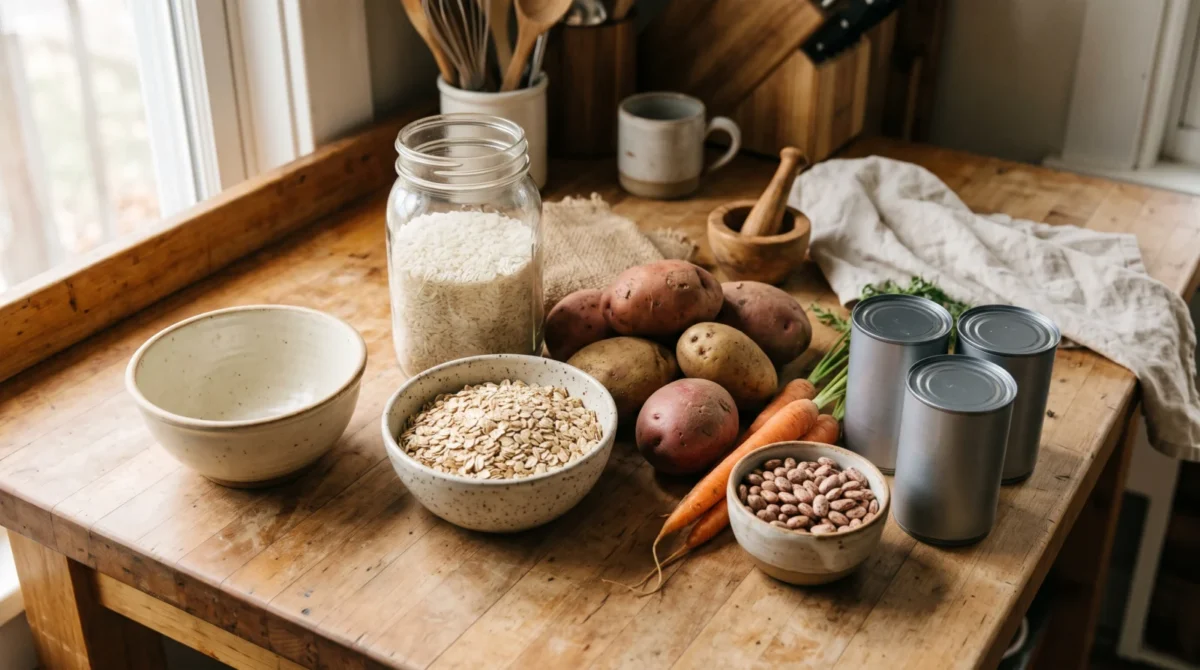
A store-brand bag of oats is often worth checking before you grab the familiar box, but the label alone can’t tell you which costs less. Compare the price per ounce for the same kind of food, then buy the size you’ll actually finish. A sale, a smaller package or a recipe that needs a particular texture can change the answer.
The store-brand comparison that matters
Start with something plain: old-fashioned oats against old-fashioned oats, or unsalted canned beans against unsalted canned beans. Don’t compare a large bag of plain rice with a small seasoned rice mix and call the difference a brand discount. You’re paying for two different dinners.
Read the little unit-price line on the shelf tag, if your store shows one. The National Institute of Standards and Technology’s retail pricing guide notes that unit-pricing rules differ across U.S. jurisdictions; don’t assume every shelf will display a comparable number. A phone calculator works when it doesn’t. Quick fix. Divide the shelf price by the net weight, then compare both products in the same unit.
If one tag says price per pound and another says price per ounce, convert before choosing. There are 16 ounces in a pound. Check the package itself too: two nearly identical boxes can hold different amounts. Our guide to comparing unit prices walks through the math if those tiny tags make your eyes hurt.
| Compare like with like | Check before putting it in the cart | Reason to keep looking |
|---|---|---|
| Plain oats | Type of oat, net weight, price per ounce | Quick oats and old-fashioned oats cook differently |
| Canned beans | Bean type, drained weight when useful, salt level | A smaller can may change your meal plan |
| Dry pasta | Shape that works for your sauce, net weight | A promotion can make a familiar brand cheaper |
| Frozen vegetables | Plain versus seasoned, package weight | Sauce or added ingredients change what you’re buying |
| Peanut butter | Ingredient list, jar weight, price per ounce | Sweetened and unsweetened jars aren’t a fair match |
That last column matters. The cheapest ounce isn’t always the cheapest dinner if you need to buy another ingredient to use it. Put it back.
Where a swap tends to be easy
I start with the ingredients that disappear into the pot. Plain rice and canned tomatoes disappear into dinner without much ceremony. Dry pasta and frozen peas do too. Put the store version next to the usual one and check its size. For a tomato sauce, the label matters less to me than whether the tomatoes are crushed or diced. Diced tomatoes won’t quietly become a smooth sauce just because they were on sale.
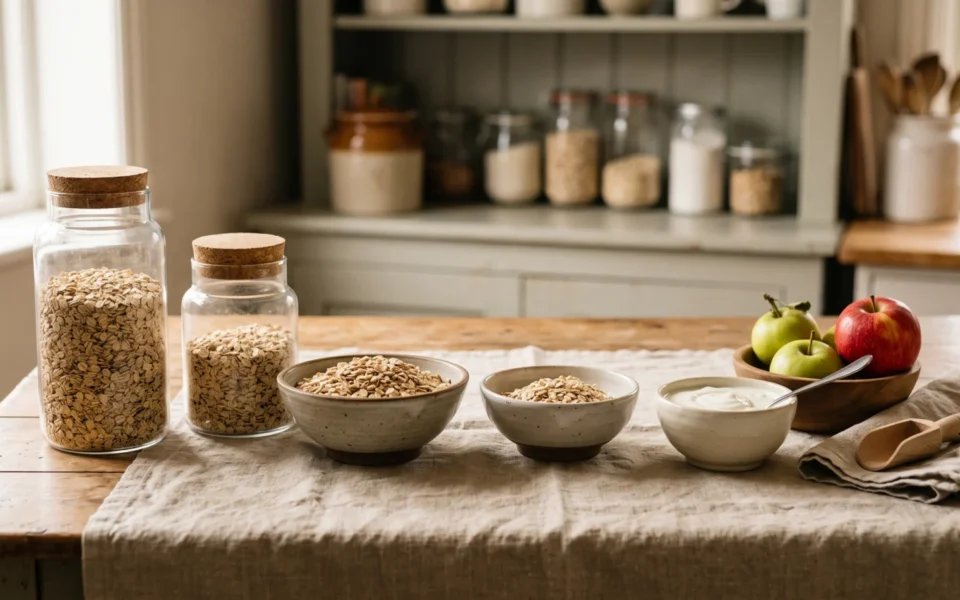
Oats deserve a closer look. A big tub looks thrifty, but if your household only eats oatmeal once every other week, that supposedly cheaper bulk buy can sit untouched in the cupboard while you go back to the store for something your family will actually cook. Buy for the meals you actually make, not for an imaginary future household with a devoted oatmeal habit.
For a first test, switch one item this week, not the whole cart. Cook your usual meal and see if the substitution works. If it does, write down the exact item and size; next time you can check its unit price in a few seconds. If it doesn’t, go back to the one you like. This is shopping, not a loyalty test.
Our pantry staples list is a useful starting point if you’re choosing which basics earn space on the shelf. Skip stocking up on a bargain nobody wants to eat.
When the name brand earns its place
Sometimes texture is the whole point. If a particular pasta stays firm in your favorite baked dish, or a certain canned tomato makes a sauce you love, keep it. A cheaper substitute that sits unopened behind the flour saves nothing. One dependable dinner can be worth more than a theoretical bargain. No contest.
Check promotions without being hypnotized by them. A temporary discount on the name brand can undercut the store version for that trip, even when the store version usually wins, so comparing the same package size once and remembering last week’s answer isn’t enough. Look at the final shelf price and the matching unit, then leave the sign behind. If you’re comparing two different stores, factor in the extra trip; a tiny pantry-item difference isn’t a good reason to drive across town.
Also check what the food is, not just what it costs. One peanut butter may include added sugar while another doesn’t. One frozen vegetable bag may have a sauce. If an ingredient matters to someone with a food allergy, read the actual package label every time. Don’t treat a store-brand substitution, a recipe or an app filter as an allergy guarantee.
The USDA Economic Research Service Food Price Outlook was updated on October 23, 2026. It reports forecasts for broad food categories based on price-index data. It can’t tell you the price of the jar in your hand at your local store. That’s why I won’t give you a fixed claim that switching brands always cuts a grocery bill by some tidy percentage. The shelf tag gets the last word.
A small weekly test for your cart
Pick three things you’re buying anyway: perhaps oats for breakfast, beans for burritos and frozen corn for soup. Check the same type of each food in both versions. No extra purchase needed just to conduct an experiment.
- Open your cupboard before you write the list. If you’ve already got two cans of beans, don’t compare bean prices this week.
- At the shelf, match the food type and package size as closely as you can. Read the unit price or calculate it from the posted total and net weight.
- Buy the less expensive usable option only if you know where it goes in this week’s meals. Keep the other if there’s a real cooking reason.
- Note what you bought and whether anyone ate it. That note makes the next trip faster.
There’s a quiet trap here: buying two of something just because its unit price is lower. If you need one can of corn for a pot of soup, a case of cans isn’t your answer. Put the planned meals beside the shopping list and buy the amount they’ll use. The budget grocery list for a week can help you turn that decision into a short, usable list.
If you prefer planning from what is already in the kitchen, WattaEat lets you photograph your fridge, cupboard or freezer and check the items it finds before setting a weekly budget. Its meal plan uses what you have first and its aisle-sorted list skips items you already own; the meal prices are estimates, so compare the real shelf tags before you buy. You can still make every brand decision yourself.
Keep the comparison honest at home
A good swap should survive Tuesday night, not just Saturday’s arithmetic. On paper, two bags of oats with different weights and different sticker prices look like a neat little math problem; at home, the only useful measure is whether that tub gets opened often enough to finish it. Make your regular bean burritos with the new can. Did the amount cover dinner? Did you need extra seasoning? If your family leaves half the filling behind, the cheaper can wasn’t cheaper for you in practice.
Write only the useful detail on your list: “plain frozen peas, one bag, check price per pound.” That’s enough to stop a rushed repeat purchase of the wrong size. Keep your preferred brand for the ingredient you notice and compare the boring staples instead. I would rather save attention for dinner than argue with a cereal box.
When you get home, put the new can or bag where you’ll see it before opening another. If you bought rice for Thursday’s skillet dinner, set it with the beans you’ll use there. Next week’s list begins with a look at that shelf, not a second bag of rice.