How to Avoid Impulse Buying at the Grocery Store
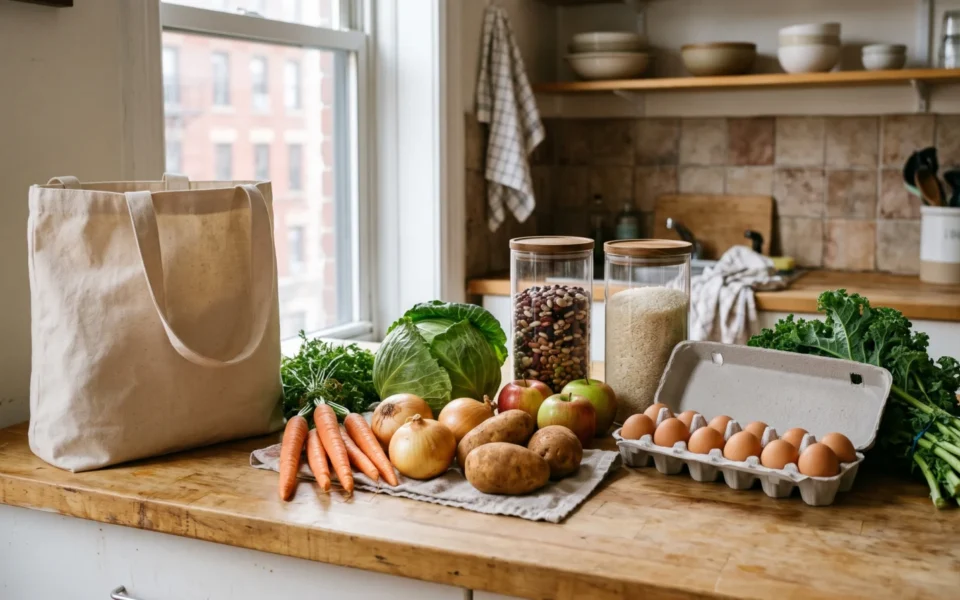
A bag of carrots is already in the fridge, but the grocery display makes a second bag look tempting. To avoid impulse buying at the grocery store, check what you own, write a list with quantities and give unplanned items a small, fixed allowance before you walk in. That way a useful surprise can fit without quietly replacing dinner money.
Start the list at home, not in the parking lot
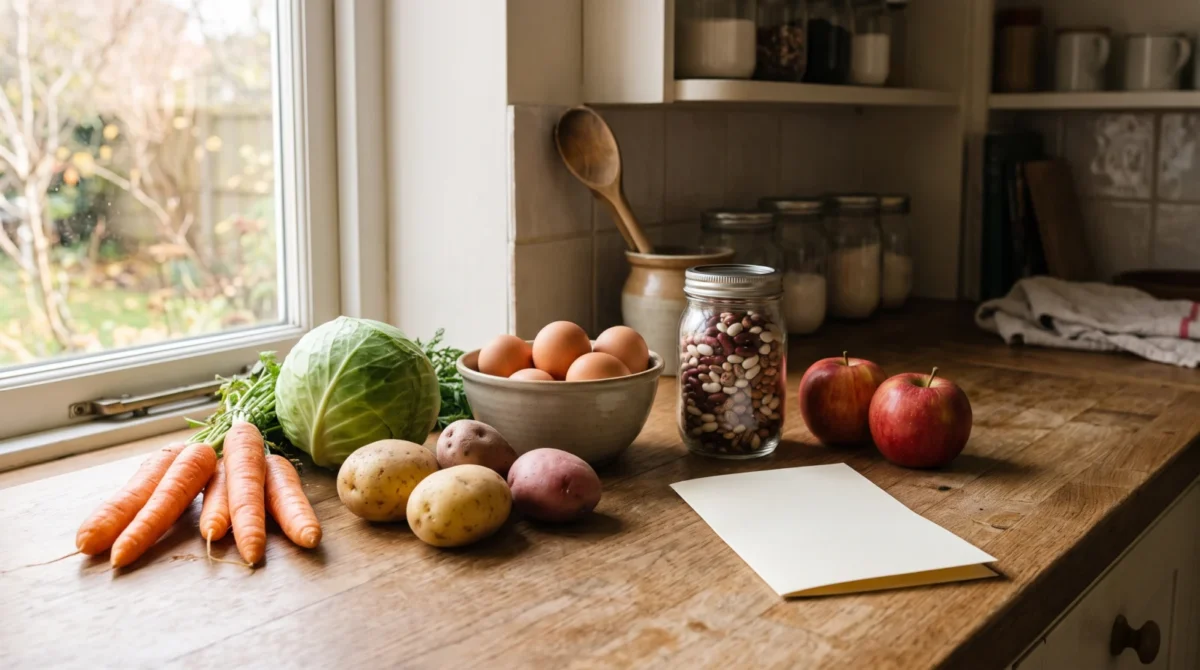
Open the fridge before you pick a recipe. If there’s half a cabbage in the crisper, take it out. Four eggs and two cooked potatoes will turn it into dinner; the colorful vegetable display can stay at the store. Check the freezer. That forgotten bag of peas is a perfectly good replacement for the fresh green beans you were about to grab, especially if it means dinner needs one fewer stop in the produce aisle.
The EPA’s advice on preventing wasted food at home is to check what you already have, plan meals around what needs using, and put quantities on the shopping list. The same page says one-third of food in the United States goes uneaten. That’s a good reason to make the list from your kitchen, rather than from the first endcap you see.
Only list meals you’ll actually cook, because that tidy seven-dinner plan falls apart the moment you remember Wednesday is takeout night and you’ve already bought everything for a dinner nobody wants. Skip Wednesday’s ingredients. If you’re making cabbage-and-egg fried rice, list rice only if the jar is nearly empty. The point isn’t to inventory every spice; it’s to catch the extra purchase that won’t make it onto a plate.
For a longer weekly plan, use the simple budget meal-planning system. If you prefer to work from a photo of your shelves, WattaEat lets you check what it spotted in your fridge, cupboard or freezer before it plans meals around those ingredients and builds an aisle-sorted shopping list. You still need to check the list against the actual cupboard.
Write quantities and a job beside each item
“Vegetables” is an invitation to browse. “One onion for bean soup” is an instruction you can finish. I think a list without amounts is just a permission slip to shop twice.
Here’s a small example for three dinners. It assumes rice and dried beans are already in the pantry. You’ve got oil and a few eggs too; check the seasonings before adding any to your list. Change the amounts if you’re feeding more people, or if your cabbage is already cut.
| Dinner | Already at home | Buy only if missing |
|---|---|---|
| Bean soup | Dried beans, oil, seasonings | 1 onion, 2 carrots |
| Cabbage fried rice | Rice, eggs, oil | 1 small cabbage, unless you have one |
| Baked potatoes with beans | Beans, leftover cabbage | 4 medium potatoes |
Look at that cabbage row carefully. If you already own the half head from the opening example, cross it off. The same ingredient can go into fried rice one night and onto baked potatoes another; it doesn’t need a whole separate “side dish” purchase.
Write your backup next to the main ingredient: “cabbage or frozen peas, not both.” One choice, even if the cabbage bin is empty or the frozen peas happen to be on sale. You get to make a swap without coming home with two versions of the same dinner. For more meal ideas that start with what is already there, see what to make with what’s in your fridge.
Put a ceiling on the surprise aisle
A grocery list doesn’t have to ban every unplanned purchase. It needs to tell you what an unplanned purchase can replace. Set an illustrative shopping budget of $75 for a week and an estimated $68 for the items on your list. The math is $75 minus $68 = $7 left for substitutions or one treat, not $7 for each person walking through the store. These are example budget figures, not observed store prices or a promise about what a cart costs.
Before you go, price your own list using the stores you actually visit. The USDA Economic Research Service Food Price Outlook explains that its food-price forecasts use Consumer Price Index data, which tracks average price changes over time. A national trend isn’t the price of your bag of potatoes in November 2026. Use shelf labels or your own recent receipt to make a local estimate, then let the register settle it.
If a sale catches your eye, ask what item it replaces on the list. A cheaper-looking second box of crackers is still another box if you already have one at home. A marked-down onion that replaces the full-price onion on your list is different. If the package sizes differ, compare the unit prices before calling it a deal.
Shop the list before browsing
Put the list in store order: produce, dry goods, dairy or eggs, then frozen foods. That keeps you from doubling back through the snack aisle because you forgot an onion. Tick off each ingredient as you put it in the cart. If you’re shopping with someone, share one list rather than each grabbing “the basics.”
Get tonight’s dinner first. On a crowded evening when you’ve got very little patience left, you’ll at least have the eggs, potatoes and cabbage you came for, instead of a cart of things that looked interesting near the entrance. The bargain bin can wait until you know the rest of the cart fits your budget.
Stop at the edge of an aisle when you spot an unplanned item and give it a job. Which meal will use it? What will you skip to make room? If you can’t answer either, take a photo of the shelf tag and decide at home. It will still be an idea next week even if today’s sale ends.
Don’t let a big pack decide your menu for you. A larger unit can cost less per pound and still cost more at checkout or leave you with food you won’t use. The EPA suggests planning for the meals you’ll eat at home and including realistic amounts on the list; a bulk deal for six dinners won’t help if you have time to cook two.
Check the cart against actual meals
Before checkout, look at the cart, not at the ads. Can you point to what you’ll make with the extra bag of spinach? Is the second carton of eggs replacing the first, or merely riding along? Put back the item with no specific meal or snack attached. Put it back.
After you get home, keep the receipt and mark what changed: the missing onion, the better-priced substitute, the unplanned cookies. You’re not grading yourself. You’re building a more accurate list for next time. If the same ingredient keeps coming home untouched, stop buying it “just in case” and try something from the budget grocery list for a week that you know your household will eat.
Move the food that needs using to the front of the fridge when you unpack. Put the cabbage where you’ll see it before the next shopping trip, and write “fried rice” on tomorrow’s plan. If you never liked cabbage, buy the peas next time instead.