How to Shop Grocery Sales on a Budget
A grocery sale only saves money when it replaces something you’d buy anyway. To shop grocery sales on a budget, check your pantry first, choose two or three meals that can use the advertised items, then compare the shelf’s unit prices before you put anything in the cart. Leave room in the budget for the boring things you actually need.
Start with dinner, not the flyer
Open the fridge before you open the store app. If you’ve got half a cabbage, two eggs and a bag of rice, dinner is halfway decided: fried rice with shredded cabbage one night, then a cabbage-and-egg skillet another. Only buy the missing piece. Maybe that’s chicken thighs. Another bag of salad? Probably not.
Make a short "use first" list on paper or your phone. Put opened produce at the top, then anything already planned for a meal. The USDA-backed Nutrition.gov meal-planning page points shoppers to a list that tracks both what they have and what they need. A flyer can’t do that. Your fridge can.
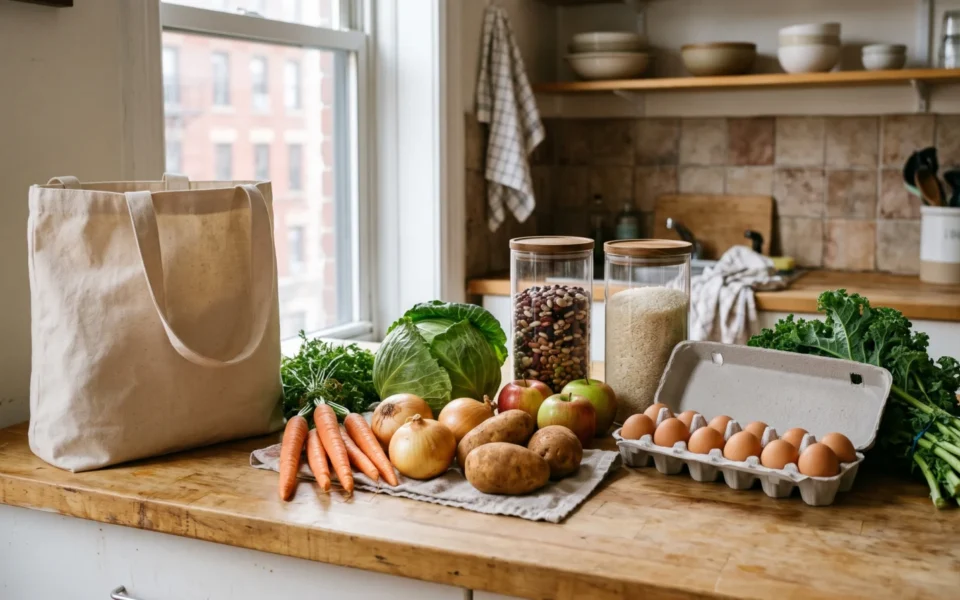
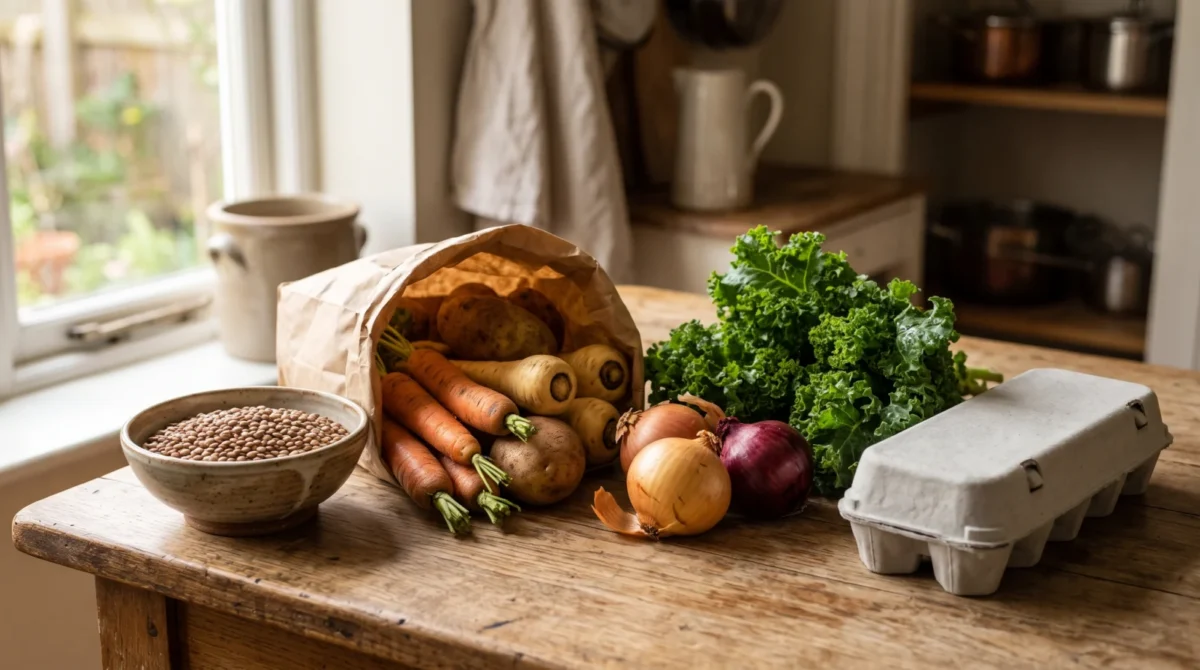
Write down three dinners that share ingredients. A pound of carrots can go into lentil soup and a tray of roasted vegetables; an onion can start both. If you need more structure, the budget meal-planning system starts with the food in your kitchen rather than a blank recipe list. I think buying food for a fantasy version of your week is the fastest way to make a sale expensive.
Give the sale a spending limit
Set the grocery ceiling before browsing. In a purely illustrative $80 weekly budget, you might reserve $60 for the regular meals and essentials, $12 for a useful sale item, and $8 for milk or produce you forgot. The math is $60 + $12 + $8 = $80. A made-up split, not current store prices. Your receipts set the real amounts.
| Before you buy | Ask yourself | Action |
|---|---|---|
| Pantry check | Do I already have enough for this week’s meals? | Cross it off the list if yes. |
| Meal check | Which specific dinner uses this item? | Name the dish and the day. |
| Budget check | Does it fit the reserved sale amount? | Swap out a planned item or skip it. |
| Storage check | Can I use or store the whole package? | Buy the smaller pack if you can’t. |
That last row matters with big meat packs and delicate greens. A low sticker price on twice as much food isn’t a bargain if half of it sits at the back of the fridge. If you have room in the freezer, divide a larger pack into dinner-sized portions promptly. No freezer space? Buy less. The food-waste planning guide has a practical use-first routine for those odds and ends.
You can also use WattaEat to check what’s in your fridge, cupboard or freezer, set a weekly budget and build meals around what you already have before shopping. Its shopping list leaves out food you already have. The meal prices are estimates, so keep your own store prices in mind.
Read the price per ounce, not the sale sign
Compare the same unit on the shelf label, usually ounces or pounds. If one jar is marked per ounce and another per pound, convert one before deciding. A larger package can be a worse deal per ounce, especially when the smaller size has a promotion.
Here’s hypothetical arithmetic, not observed store pricing: suppose one 12-ounce package is about $1.20 and a 16-ounce package is about $1.44. The first estimate works out to about 10 cents per ounce ($1.20 ÷ 12), while the second works out to about 9 cents per ounce ($1.44 ÷ 16). The larger package would be cheaper per ounce in that example, but you’d still need to use the extra four ounces. Use your store’s numbers. Check them that day.
The USDA Economic Research Service Food Price Outlook was updated October 23, 2026; it explains that its food-price forecasts draw on Bureau of Labor Statistics consumer and producer price data. Those forecasts track changes in prices, not the price of the beans at your local store. That difference is why I won’t turn a national trend into a pretend checkout total. For a slower, steadier way to compare your regular buys, keep a grocery price book with the package size beside each price.
A multi-buy offer needs the same math. Check whether the discount requires both items. If it does, the second package belongs in your budget and your meal plan. If not, buy one. Read the shelf tag and the checkout receipt rather than assuming the sign means what it sounded like from three feet away.
Pick sale foods that can move between meals
A good sale food has more than one job. Plain oats can be breakfast or go into a crumble; a bag of potatoes can become baked potatoes and a skillet dinner. A specialty sauce that only works in one recipe has to clear a higher bar. You may enjoy it, but don’t call it a grocery-saving strategy.
| Sale item you can actually use | First meal | Second use | Stop and check |
|---|---|---|---|
| Whole carrots | Roast alongside dinner | Add to soup | Have you already got a bag? |
| Canned beans | Fill rice bowls | Mash for sandwiches | Compare drained weight if sizes differ. |
| Plain yogurt | Spoon over a savory bowl | Stir into a dip | Will you finish the tub? |
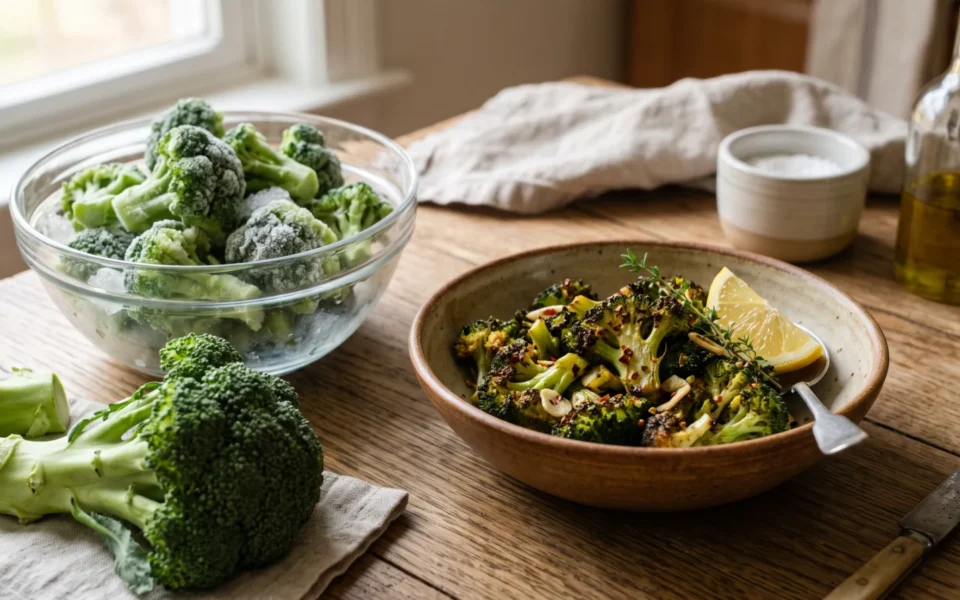
| Frozen vegetables | Add to fried rice | Stir into soup | Is the freezer already full? |
The list isn’t a command to buy all four. It’s a test. Will you actually cook it? Try to use the same carrots twice instead of buying cilantro for one dish and letting the rest wilt. If a favorite canned bean isn’t on sale, a store-brand can may still cost less by unit; compare both labels and check ingredients when dietary needs or allergies are involved.
Keep the cart from growing around a bargain
There are two lists: the food needed for meals and the food you’d consider only if the price works. Keep the second one tiny. If you’re shopping with a fixed amount, add your estimate as items go into the cart and remove something before you exceed it. Breakfast still needs buying. Three supposed deals shouldn’t squeeze it out.
For an ordinary week, I like a small buffer more than a heroic stockpile. Keep staples you use often, and don’t buy a cupboard full of anything until you know you like eating it. The budget grocery list shows how to build the base basket; a sale should improve that basket, not replace it with whatever happened to get a yellow tag.
At home, put the new food behind what you need to use first. Wash or prep only what you’re ready to cook, and decide now which dinner gets the sale vegetables. Got a bag of carrots on sale? Pull two out for tonight’s roasting tray. The rest can wait in the crisper.