Meal Planning for One Without Wasting Food
One person can eat from a plan without eating the same pot of soup for seven days. Pick two dinners that share ingredients, cook only two servings at a time, and freeze a spare portion before you get tired of it. Build the shopping list from what’s already in your fridge, not from a recipe’s full ingredient list.
Start with the food you already paid for
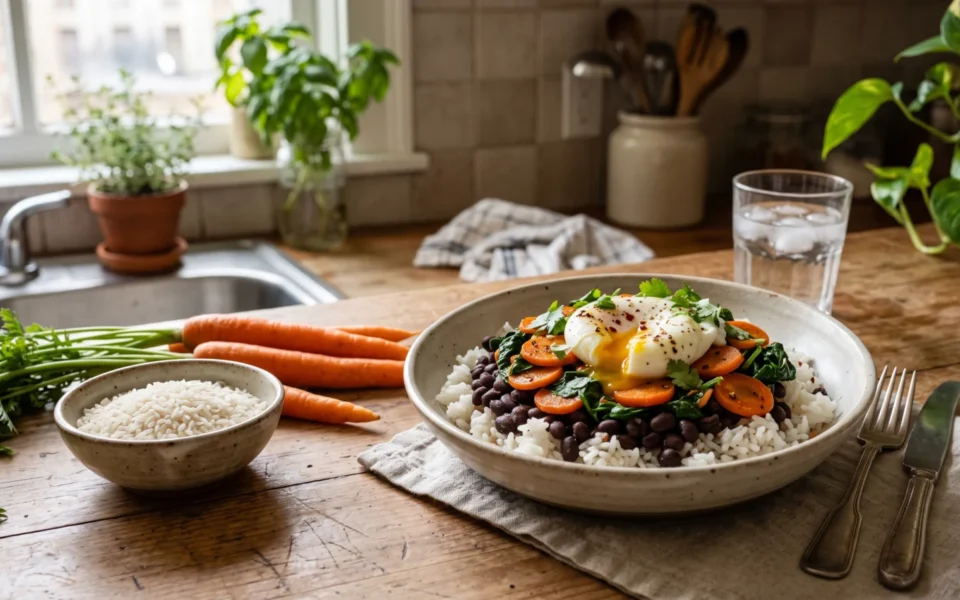
Open the fridge before you open a recipe tab. Write down the half onion and the broccoli that needs cooking. Check for eggs. Then look for rice in the cupboard. Then check the freezer for a forgotten portion. This is your starting menu, not a pile of leftovers you have to apologize for.
If you want a more detailed inventory routine, the guide to cooking from your fridge walks through turning odds and ends into dinner. For one person, I wouldn’t plan seven separate recipes. Seven sets of fresh ingredients are how you end up with six limp scallions on Sunday. No thanks.
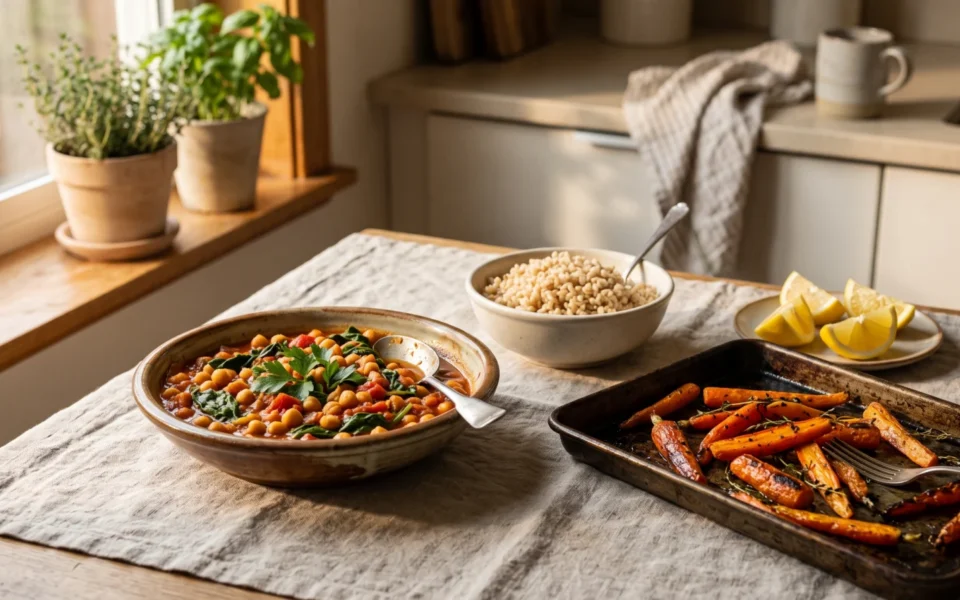
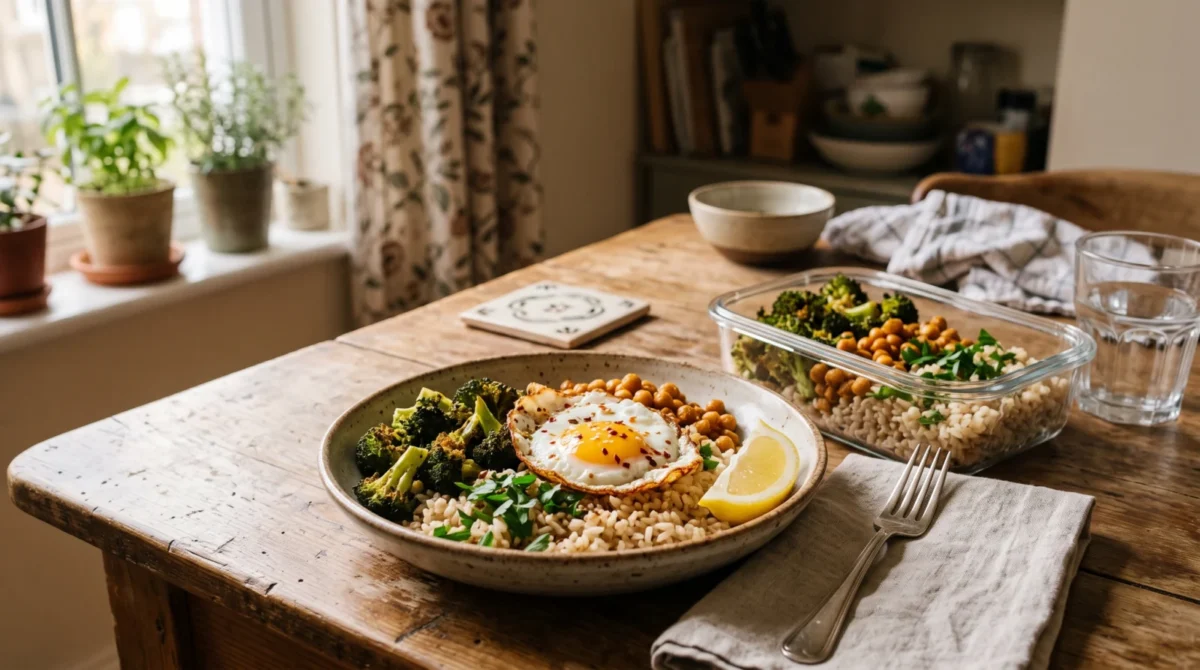
Choose two ingredients that can cross over without making every plate taste identical. Broccoli can go with rice and an egg, then into pasta with garlic. Chickpeas can fill a rice bowl, then be mashed with lemon for a sandwich. Put tender greens or an opened package near the front of the week; keep shelf-stable beans for later.
WattaEat can start from photos of your fridge, cupboard or freezer, then plan meals around what you have after you set a weekly budget. Check the ingredients it detects and add anything it missed. You don’t need the app to do this with a pen, but it’s handy when the shopping list is already long.
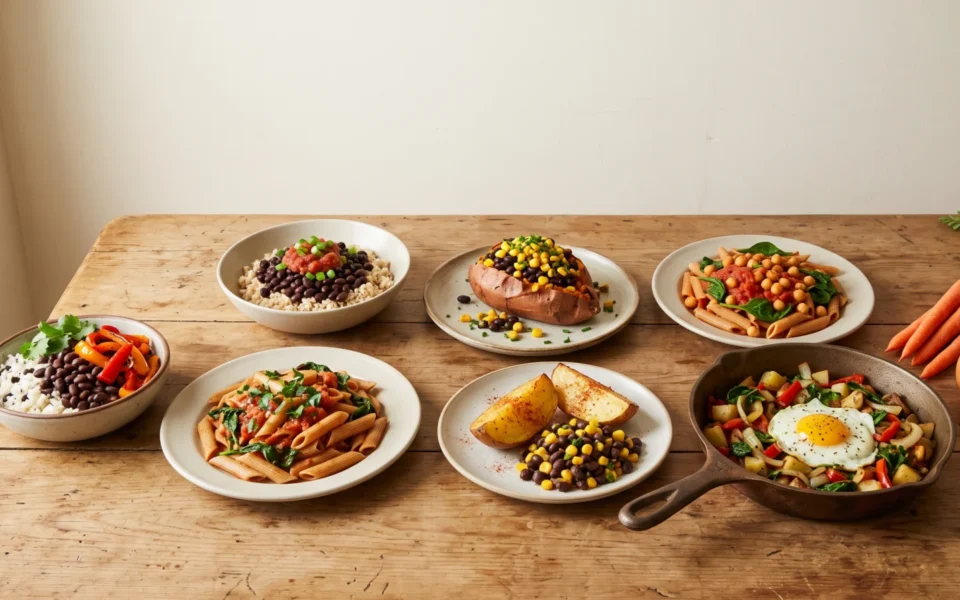
A seven-day dinner plan for one
This example assumes you have cooking oil, salt, a little garlic and dry rice. Check your own cupboard first. The grocery list below buys small amounts of fresh food and uses a full can of chickpeas across two meals; if you already have something, cross it off. Lunch can be a leftover portion on the days shown. Breakfast isn’t included, so this is a dinner plan, not a claim to cover all your food for the week.
| Day | Dinner | What to do with the extra |
|---|---|---|
| Monday | Roast half a head of broccoli and half an onion; serve over rice with half a can of chickpeas and a fried egg | Cook a second serving of rice and vegetables for Tuesday’s lunch; refrigerate promptly |
| Tuesday | Garlic pasta with the other half of the broccoli and a spoonful of grated cheese | Make just one plate; no extra pasta to store |
| Wednesday | Warm chickpea and onion skillet on toast, with lemon | Use the rest of the opened chickpeas; freeze any leftover bread slices |
| Thursday | Tomato rice with frozen peas and an egg | Cook two portions and freeze one after cooling it promptly |
| Friday | Toasted cheese sandwich with a quick pan of peas | Keep the remaining cheese wrapped and chilled |
| Saturday | Reheat Thursday’s frozen tomato rice until steaming hot, with a freshly cooked egg | Thaw safely in the fridge or reheat from frozen, as appropriate |
| Sunday | Pantry pasta with tomato sauce and peas | Use any extra sauce in a cooked portion for the freezer |
This isn’t a command to eat eggs on three particular nights. If you’ve already got a chicken thigh or a block of tofu, swap it for an egg and check its package dates and cooking instructions. If you need ideas beyond these seven plates, see the pantry staples list before buying one-use sauces.
Buy for portions, not for recipes
Here’s the list I’d take to the store for the dinners above. Amounts are planning quantities, not a promise that every store sells the same pack size. Check the shelf tag and unit price before you commit. Look at home first.
| Item | Amount to plan for | Where it goes |
|---|---|---|
| Broccoli | 1 head, or a comparable frozen bag | Monday bowl and Tuesday pasta |
| Onion | 1 medium | Monday bowl and Wednesday skillet |
| Chickpeas | 1 can | Monday and Wednesday |
| Eggs | 3, from the carton you can use over the next weeks | Monday, Thursday and Saturday |
| Dry pasta | About 6 ounces total | Tuesday and Sunday |
| Canned tomatoes | 1 small can | Thursday rice and Sunday sauce |
| Frozen peas | About 2 cups | Thursday, Friday and Sunday |
| Bread | About 4 slices | Wednesday and Friday |
| Cheese | About 3 ounces | Tuesday and Friday |
| Lemon | 1, optional if you have vinegar | Wednesday chickpeas and other meals |
Don’t buy a six-pack of tiny yogurts to use one spoonful as a sauce. A dab of lemon juice and oil does the job here. Frozen peas mean you can pour out a handful instead of trying to finish a fresh bag by Friday. The same logic applies to broccoli: if a whole head is too much this week, use frozen broccoli. Pour out only what you need.
For prices, use the shelf tags at your store. The USDA Economic Research Service’s September 2026 Food Price Outlook reports changes in U.S. food prices using August 2026 data; it does not tell you what this basket costs today in your neighborhood. That is why I won’t call a one-person week a fixed dollar amount. Your receipt wins. Compare unit prices too, especially if a small package costs nearly as much as a larger one you’ll actually finish.
To make the cost math useful, here’s an illustrative U.S. planning estimate for October 2026, not observed store prices: if your shelf tag shows about $1.20 for a can of chickpeas and $2.40 for six eggs, then half the can plus one egg is about $0.60 + $0.40 = $1.00 before rice, broccoli, oil or tax. Add those items at their local prices. An unopened carton isn’t a per-week expense just because you use three eggs this week: three eggs at that hypothetical price are about $1.20, while the cash paid at checkout is about $2.40. Keep both numbers in your notebook. For a fuller system of price checks, use the budget grocery list for a week.
Keep the second serving safe
Cooking for one often means saving a second plate, but that plate needs a real plan. Date it. FoodSafety.gov’s cold storage chart lists cooked meat or poultry leftovers at 3 to 4 days in a refrigerator at 40°F or below; plan to eat refrigerated cooked rice promptly or freeze it rather than stretching it to the end of the week. Don’t leave Monday’s rice sitting out until bedtime. Not even if the kitchen is cool. Refrigerate it promptly in shallow containers, or freeze it if you won’t eat it soon.
The FoodSafety.gov four-step guidance says to refrigerate perishable foods within two hours, or within one hour when the temperature is above 90°F. Keep the fridge at 40°F or below. Label the Thursday freezer portion with the cooking date so it doesn’t turn into a mystery brick. Reheat leftovers thoroughly; the same safety guidance specifies 165°F for leftovers.
If you’re cooking for an allergy, read every package label and check cross-contact risks for your own ingredients; a substitution isn’t an allergy guarantee. And if Sunday’s plan changes, freeze the bread before it molds. One slice at a time is much easier to use than a whole loaf you’re racing to finish.